
Delivering a smoke-free future


PMI announces ambition to become a more than two-thirds majority smoke-free company by 2030
4 min read Discover more
Choice is key to helping every adult smoker quit cigarettes
Find out moreOur progress toward a smoke-free future
-
![C24002_Spotlight_icons_150x150_PMI_process-;age_icon_150x150_1]()
39 percent
of PMI’s total net revenues came from our smoke-free business.¹
-
![C24002_Spotlight_icons_150x150_PMI_process-page_icon_150x150_2 1]()
33 million
estimated total adult users of PMI’s smoke-free products.
-
![C24002_Spotlight_icons_150x150_PMI_process-page_icon_150x150_6]()
20.8 million
adults are estimated to have switched to our smoke-free product, IQOS, and stopped smoking.
-
![C24002_Spotlight_icons_150x150_PMI_process-;age_icon_150x150_4]()
84 markets
where our smoke-free products are available.
-
![C24002_Spotlight_icons_150x150_PMI_process-;age_icon_150x150_5]()
USD >12.5 billion
invested to develop, scientifically substantiate, and commercialize smoke-free products since 2008.





1 Smoke-free business net revenues as of Q1 2024. All other figures are as of December 31, 2023.
Important Note: This information should be read in conjunction with the Philip Morris International Inc. earnings release
dated April 23, 2024, as well as the accompanying glossary of key terms, definitions,
explanatory notes, select financial information and reconciliations of non-GAAP financial measures, both of which are available on our Investor Relations pages.


The role of nicotine
In the news










Marketing standards






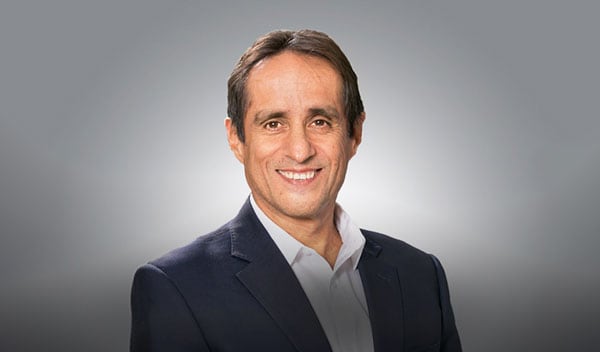





Businesspeople should think more like scientists, where failures present opportunities for solutions


Our leadership team
Discover more
Learn about our people and culture



How we #MakeHistory by creating better choices
Music starts.
Elodie Ly, Lead Life Sciences Projects, Switzerland, talks to camera.
Our team of more than 400 world-class scientists, engineers and technicians are constantly working towards offering current adult smokers a better choice than continuing to smoke cigarettes.
Music ends
Words appear on screen:
Hashtag Make History
Find out more at PMI.com.


Why invest in PMI?
We've built the world’s most successful cigarette company. Now we’re building our future on smoke-free products that are much better choices.
Share Price PM (Common Stock)
$9502
-1.11 (-1.15%)
Latest news & press releases
Media Center-
Philip Morris International Reports First-Quarter 2024 Results and Updates Full Year Guidance
-
Philip Morris International to Host Webcast of 2024 First-Quarter Results
-
Philip Morris International Demonstrates Clear Progress Toward Its Purpose as It Releases 2023 Integrated Report
-
Philip Morris International Names New External Affairs Leader
This site is operated for the purpose of providing general information about us. The site is not operated for advertising or marketing purposes. The material on this site should not be regarded as an offer to sell, or a solicitation of an offer to buy, any product of PMI. Such products are sold only in compliance with the laws of the particular jurisdictions in which they are sold.